

♥ Wishlist
Comparez 31 produits Gros électroménager : équipez votre maison avec les appareils essentiels vérifiés en France. Consultez les avis, les notes, les avantages, les inconvénients et notre guide d'achat, mis à jour pour October 2026.




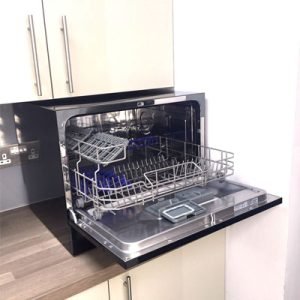
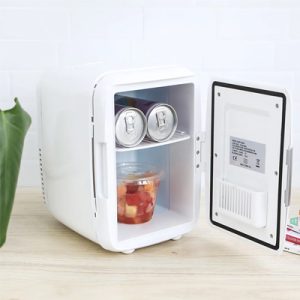




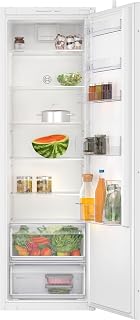




Buying large domestic appliances is a long-term household decision. Unlike small appliances that can often be replaced easily, a washing machine, dishwasher, refrigerator, freezer, oven, tumble dryer or built-in cooking appliance can remain in daily use for many years. The right choice therefore depends on much more than the purchase price. Capacity, dimensions, energy consumption, noise, installation requirements, programmes, maintenance, repairability and everyday convenience should all be considered together.
For shoppers in France, the choice can be particularly broad because the market includes established European manufacturers as well as international brands such as Bosch, Siemens, Miele, Electrolux, AEG, Whirlpool, Beko, Samsung, LG, Haier, Liebherr, Brandt and Hisense. Each manufacturer and model range can target a different combination of budget, features, efficiency and design.
This buying guide is designed to help compare large household appliances on practical criteria rather than relying on a single headline specification. Before choosing a model, compare its complete technical specification, installation requirements and current consumer feedback, then check the final retailer information applicable to France.
The French term gros électroménager generally covers the large electrical appliances used for cooking, refrigeration, laundry and cleaning. The category is broad, so the best product depends heavily on the specific appliance you need.
One of the most common purchasing mistakes is choosing an appliance based on its features before checking whether it physically fits the intended location. Always measure the available width, height and depth rather than assuming that appliances described as the same size will have identical external dimensions.
For a kitchen appliance, also consider door clearance, ventilation requirements, surrounding cabinets and access to electrical or plumbing connections. A refrigerator may technically fit into a niche but still be impractical if the door cannot open sufficiently. A dishwasher may fit into a standard cabinet opening but require careful attention to the position of the water inlet, drain and power connection.
A larger drum, refrigerator compartment or dishwasher interior is not automatically better. Extra capacity can be useful for a large family, but it can also mean a physically larger appliance and potentially unnecessary energy or water consumption if the available capacity is rarely used.
For washing machines and tumble dryers, compare the stated load capacity with the amount of laundry your household typically produces. For dishwashers, consider how frequently you cook and whether you regularly need to wash large pans, plates and glasses. For refrigeration, separate the required chilled and frozen storage capacity rather than looking only at one combined figure.
The purchase price is only one component of the cost of a large appliance. An appliance that operates frequently can consume electricity for years, making energy efficiency an important part of the buying decision.
In France and across the European market, shoppers should pay close attention to the applicable EU energy label and its appliance-specific information. The label can provide useful information such as the efficiency class, energy consumption, capacity and, for relevant appliance categories, noise or water-consumption information.
Do not compare efficiency classes without considering the actual appliance type and measurement basis. A refrigerator, washing machine, dishwasher and tumble dryer have different testing and labelling methods, so the figures should be interpreted within their category.
Noise deserves particular attention when an appliance is installed near a living room, bedroom or open-plan kitchen. This is especially relevant for refrigerators, dishwashers, washing machines and tumble dryers.
Look for the declared noise level in decibels and consider when the appliance will normally operate. A dishwasher that runs overnight, for example, may benefit more from a quiet operating specification than a model used only during the day. For washing machines, also consider vibration and stability during high-speed spinning rather than looking at the noise figure alone.
Modern appliances can offer a large number of programmes, but more programmes do not necessarily mean better everyday performance. Focus on functions that correspond to how you actually use the appliance.
When choosing a washing machine in France, capacity, dimensions, spin speed, energy consumption, noise and programme selection should be considered together.
Front-loading washing machines are common in European kitchens and utility areas and can provide substantial drum capacity within a relatively standard footprint. However, the available door-opening space must be checked carefully.
Where installation space is restricted, an alternative configuration may make more sense. The correct choice depends on the room layout, accessibility and the amount of laundry handled rather than a generic preference for one design.
A higher maximum spin speed can remove more water from suitable fabrics before drying, potentially reducing the workload placed on a tumble dryer or shortening subsequent drying time. However, maximum spin speed should not be treated as a direct measure of overall washing quality.
Drying technology is one of the most important distinctions when comparing tumble dryers. Heat-pump dryers are designed to reuse heat within the drying system and are generally associated with lower energy consumption than traditional vented or condenser technologies, although individual performance depends on the model and operating conditions.
Heat-pump technology can make particular sense for households that use a tumble dryer frequently. However, buyers should also consider cycle duration, temperature, filter maintenance, condensation management and the available installation space.
A dishwasher should be evaluated according to cabinet dimensions, place-setting capacity, programme flexibility, water and electricity consumption, noise and loading convenience.
A freestanding dishwasher is usually easier to install as a standalone appliance, while an integrated model is designed to work within a fitted kitchen. Fully integrated models can be concealed behind a matching furniture door, whereas semi-integrated configurations may leave the control panel visible.
Before buying an integrated dishwasher, verify the compatibility of the appliance with the kitchen furniture, door panel dimensions and installation system. The nominal appliance width alone is not enough to guarantee compatibility.
Capacity ratings are useful, but the internal basket design can have a major effect on practical usability. Adjustable upper baskets, foldable supports and dedicated cutlery arrangements can make it easier to accommodate awkward cookware.
Consider the types of dishes you actually wash. A household that regularly uses large pans may benefit from flexible loading arrangements more than from simply selecting the model with the largest nominal capacity.
Refrigeration appliances operate continuously, so energy efficiency, temperature management, internal organisation and reliability are particularly important considerations.
A combined refrigerator-freezer can be an efficient use of kitchen space, but the balance between chilled and frozen storage varies considerably between models. Check the separate capacities rather than relying only on the total volume.
No Frost systems are designed to reduce the need for manual defrosting by managing frost formation within the freezer compartment. This can be a valuable convenience feature for households that want to minimise routine maintenance.
Single-door, double-door, multi-door and American-style configurations can provide very different storage layouts. Side-by-side models may offer easy access to multiple compartments but require sufficient kitchen width. French-door configurations can make wide refrigerator shelves easier to access while placing frozen storage in drawers or lower compartments.
Ovens differ substantially in heating technology, cavity size, cleaning systems and control interfaces. When comparing models, consider how you cook rather than selecting the longest feature list.
Fan-assisted systems circulate heated air around the cavity, helping distribute heat during suitable cooking programmes. This can be useful for roasting, baking and cooking multiple dishes depending on the selected mode and recipe.
Steam-assisted cooking can be useful for particular recipes and cooking styles, especially where moisture retention is important. However, steam functions vary considerably between appliances, so buyers should examine exactly what the system does instead of treating the word “steam” as a universal specification.
Oven cleaning systems can include catalytic surfaces, steam-assisted cleaning or high-temperature pyrolytic cycles, depending on the model. Each approach has different operating characteristics and maintenance considerations. A self-cleaning feature can be valuable, but it should be assessed alongside energy use, cycle duration and the need to manually clean components that are not covered by the system.
Choosing a hob is partly a cooking preference and partly an installation decision.
For an induction hob, check the number and arrangement of cooking zones, power management, pan detection, controls, bridge or flexible zones where available, and the electrical requirements. For a gas hob, examine burner arrangement, pan supports and the applicable installation requirements.
The built-in versus freestanding decision affects both appearance and installation flexibility. Built-in appliances can create a coordinated kitchen design, but they require accurate measurements and compatibility with cabinetry. Freestanding appliances can be easier to replace or reposition, although their appearance may be less integrated.
For a kitchen renovation, it is sensible to determine the cabinet dimensions and utility connections before selecting specific appliances. Choosing appliances first and trying to adapt the kitchen afterwards can create unnecessary installation problems.
Wi-Fi and smartphone connectivity are increasingly available on large domestic appliances. Depending on the manufacturer, connected features can provide cycle notifications, remote monitoring, maintenance alerts, energy information or programme management.
Smart functionality should be treated as an optional convenience rather than an automatic indicator of a better appliance. If you rarely use a smartphone to monitor household equipment, connectivity may add little practical value. Check whether the relevant app is supported on your devices and whether the connected functions remain useful without a subscription or additional service.
Brand reputation can help narrow a large market, but it should not replace model-by-model comparison. Different product families from the same manufacturer can have very different specifications and target different budgets.
When two products have similar prices and capacities, use a structured comparison rather than relying on brand recognition or appearance.
Purchase price is important, particularly when equipping an entire kitchen or laundry room, but it should be evaluated alongside expected usage. A low-priced appliance with poor energy efficiency, an unsuitable capacity or inconvenient programmes may prove less attractive over its useful life.
Conversely, paying significantly more for advanced features that you will never use is not necessarily good value. The strongest buying decision is usually the appliance whose specifications closely match your actual requirements.
For appliances used frequently, think beyond the checkout price. A practical ownership calculation can consider:
For an accurate comparison, use the energy-consumption figures supplied for the specific models and combine them with your own approximate usage and electricity tariff. Avoid assuming that a manufacturer's broad efficiency claim automatically translates into a particular annual household cost.
A large appliance represents a substantial amount of material and engineering, so repairability can be an important part of responsible purchasing. Before choosing a model, investigate whether relevant spare-parts information, repair documentation and servicing options are available in your market.
French consumers can also pay attention to the applicable repairability or durability information where it is provided for the appliance category. These indicators can complement, rather than replace, conventional criteria such as energy consumption and performance.
Never assume that a product described as standard size will fit your particular installation. Cabinet openings, plinths, doors, hoses and ventilation can all affect compatibility.
A very large appliance can be unnecessary for a small household. Choose capacity according to realistic usage patterns.
Consider energy consumption, maintenance, installation and long-term usability alongside the initial price.
A machine with a longer feature list is not automatically the better choice. Identify the functions that solve real household problems.
A small difference in noise level can matter significantly when the appliance is installed close to living areas or used overnight.
Built-in appliances, induction hobs, gas appliances and some laundry products can have specific installation conditions. Confirm these requirements before purchase.
Manufacturers sometimes sell closely related models with small but meaningful specification differences. Always compare the exact reference or model number.
If you are renovating a kitchen, it is usually more efficient to plan the appliances and cabinetry together. Decide where the refrigerator, oven, dishwasher, hob and other appliances will be positioned before finalising cabinet dimensions and utility connections.
Think about workflow as well as appearance. Placing the dishwasher close to the sink can make loading more convenient, while positioning the oven and hob should take account of preparation space, ventilation and safe movement around the kitchen.
For built-in appliances, keep the exact appliance specifications available during the kitchen-design stage. Small differences in dimensions, door mechanisms or ventilation requirements can affect the finished installation.
Space-efficient design is especially important where the kitchen has limited floor area. Instead of simply looking for the smallest appliance, consider how much useful capacity is provided relative to its footprint.
Families generally benefit from appliances that can handle larger loads without making everyday operation unnecessarily complicated. Capacity, programme flexibility, durability considerations, noise and energy consumption can become more important when appliances are used repeatedly throughout the week.
A family should also consider whether several appliances need to operate simultaneously. Electrical installation capacity and household routines can influence the practical choice of cooking, laundry and dishwashing equipment.
Customer feedback can complement technical specifications, particularly for identifying practical issues that are difficult to understand from a product data sheet. However, reviews should be interpreted carefully.
Instead of comparing dozens of appliances simultaneously, narrow the market using a few non-negotiable requirements.
There is no single best large appliance for every French household. The right choice depends on the appliance category, available space, household size, budget, energy requirements, noise tolerance and desired features. A well-matched model is generally a better choice than a premium model whose specifications do not suit your needs.
Bosch, Siemens, Miele, AEG, Electrolux, Whirlpool, Beko, Samsung, LG, Haier, Liebherr, Brandt and Hisense are among the brands worth comparing in the French market. Brand reputation is useful as a starting point, but the exact model specification, installation requirements and ownership considerations should determine the final choice.
For appliances that operate frequently, energy efficiency can have a meaningful impact on ongoing electricity consumption. Compare the official energy information for the exact models rather than assuming that a higher-priced appliance will automatically be more economical to operate.
Connected functions can be useful for notifications, remote monitoring and selected automated functions, but they are not essential for everyone. If connectivity does not solve a genuine household need, prioritise dimensions, capacity, efficiency, noise and core performance instead.
The appropriate capacity depends on household size, washing frequency, available space and the types of laundry handled. Avoid selecting an oversized drum solely because a larger capacity sounds better; compare it with your normal load requirements.
A heat-pump dryer can be attractive for households that use a tumble dryer frequently because the technology is designed to reduce energy consumption compared with less efficient drying systems. Compare the exact energy information, drying performance, cycle times, maintenance requirements and purchase price before deciding.
Start with the required refrigerator and freezer volumes, then consider kitchen dimensions, door configuration, energy consumption, noise and internal organisation. A large multi-door refrigerator is not necessarily the most practical option if the kitchen cannot comfortably accommodate it.
Measure the opening, surrounding cabinets, available depth and door-clearance area. Then compare these measurements with the manufacturer's installation dimensions for the exact model. For built-in products, also verify compatibility with the furniture and door system.
Compare capacity, energy consumption, noise, programmes, installation requirements, maintenance, internal design and relevant long-term ownership considerations. If one model has additional features that you will never use, the simpler model may provide better value.
No. Customer reviews are useful for understanding everyday usability and recurring issues, but they should be combined with official technical specifications, energy information, installation documentation and your own requirements.
The best gros électroménager for a French household is not necessarily the most expensive, the newest or the model with the longest list of functions. The strongest choice is the one that fits the available space, matches the household's capacity requirements, consumes resources sensibly, operates at an acceptable noise level and provides useful features without unnecessary complexity.
Before buying, compare the exact model references rather than relying only on brand names. Check the applicable energy label, technical specifications, dimensions and installation requirements. Read verified customer feedback with a critical eye and compare current information from trusted retailers. For appliances that will operate frequently for many years, consider energy consumption, maintenance and repairability alongside the initial purchase price.
Whether you are replacing a washing machine, upgrading a refrigerator, installing a dishwasher or planning an entire kitchen, a structured comparison makes it easier to identify the appliance that genuinely fits your needs in France in 2026.