

♥ Wishlist
Comparez 58 produits Robots Mixeurs et Blenders vérifiés en France. Consultez les avis, les notes, les avantages, les inconvénients et notre guide d'achat, mis à jour pour October 2026.


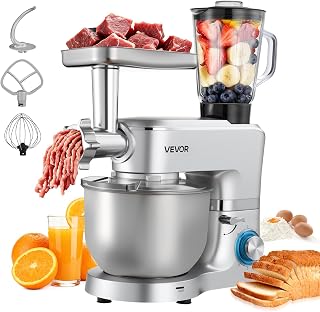

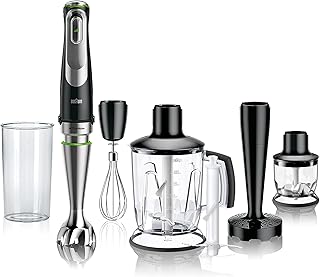

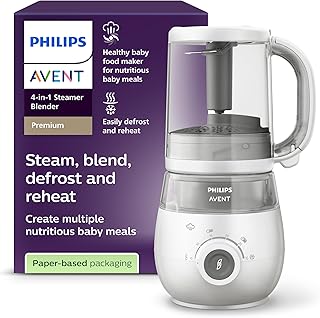


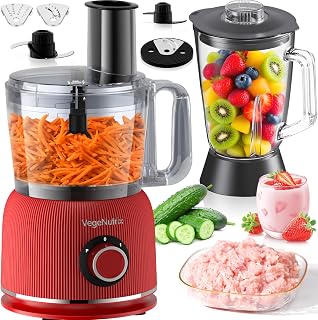


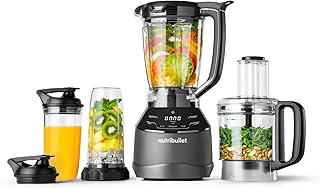


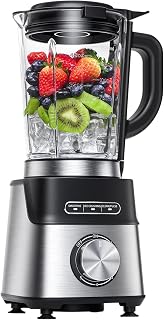


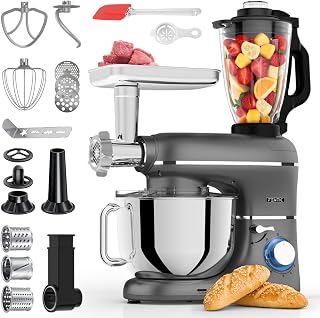


Choosing a kitchen appliance for mixing, blending, chopping, emulsifying or preparing everyday recipes can be surprisingly difficult. In France, the terms robot mixeur, robot multifonction, blender, blender chauffant and mixeur plongeant describe appliances with significantly different capabilities. The right choice therefore depends less on the number of functions listed on a box and more on the type of preparation you make, the quantity you process, the space available in your kitchen and how often you expect to use the appliance.
This expanded buying guide focuses on the practical criteria that matter when comparing food processors, mixers and blenders for use in France. It covers motor performance, blade design, bowl capacity, materials, controls, cleaning, noise, safety, accessories and the differences between the main appliance categories. Brands commonly encountered in the French market include Moulinex, Magimix, Bosch, Kenwood, Philips, KitchenAid, Ninja, Braun and Bamix, although specifications can vary substantially between individual models.
The most common purchasing mistake is choosing an appliance based on its appearance or advertised power rather than the tasks it needs to perform. A powerful blender is not automatically the best food processor, and a multifunction food processor is not necessarily the most convenient appliance for making a single soup or smoothie.
A conventional blender is primarily designed to turn ingredients into smooth or relatively smooth preparations. It is particularly suitable for smoothies, milkshakes, purées, sauces, soups that have already been cooked, crushed ice where the manufacturer permits it, and liquid-based mixtures.
Blenders generally perform best when there is enough liquid or soft material to create circulation around the blades. A blender can therefore be an excellent choice for users who primarily prepare drinks, soups, sauces and smooth mixtures rather than slicing or grating vegetables.
A food processor is more versatile when the objective is preparation rather than simply blending. Depending on the model and supplied accessories, it may chop vegetables, grate cheese, slice potatoes, knead dough, emulsify sauces, whisk ingredients or process larger quantities.
For a household that regularly cooks from fresh ingredients, the versatility of a robot multifonction can justify its larger footprint. However, more accessories also mean more parts to store, clean and assemble.
A hand blender is often the simplest option for soups, sauces, baby food, mayonnaise, vegetable purées and small quantities. Its major advantage is convenience: the blending head can usually be placed directly into a suitable saucepan, jug or container.
If kitchen storage is limited or most preparations involve relatively small quantities, a mixeur plongeant may be more practical than a large countertop appliance.
A heated blender combines blending with cooking functions on models designed for that purpose. This type of appliance can be useful for soups, veloutés, sauces and other hot preparations, but buyers should carefully check the permitted ingredients, cooking programmes, container material and cleaning procedure.
Wattage is one specification worth comparing, but it should never be used as the sole indicator of performance. Two appliances with similar electrical power can behave differently because of blade geometry, motor control, transmission design, container shape and the manufacturer's intended workload.
When comparing models, consider whether the appliance is designed for soft fruit, fibrous vegetables, nuts, ice, dough, thick mixtures or continuous processing. A blender intended for smoothies does not necessarily have the same operating characteristics as a food processor designed for chopping or kneading.
The blades are central to blending performance, but blade count alone does not tell the whole story. Blade angle, shape, positioning, rotation speed and the geometry of the container all influence how ingredients circulate.
A well-matched container and blade assembly can help move ingredients toward the cutting area instead of allowing them to remain around the sides. This is particularly important with thick smoothies, fibrous vegetables and mixtures containing relatively little liquid.
For food processors, the cutting system is different because interchangeable discs and blades may be designed for slicing, grating, chopping or kneading. Buyers should therefore examine the actual accessories included with the specific model rather than assuming that every product from the same range offers the same functions.
Capacity should be chosen according to normal batch size rather than the largest number printed in a specification sheet. A large container can be useful for family-sized preparations, but it takes more storage space and can be inconvenient when preparing a small quantity.
Also distinguish between the total container capacity and the usable capacity. The maximum volume may not correspond to the quantity that can safely be processed at once, particularly with hot, foaming or expanding mixtures.
Container material affects weight, durability, appearance, handling and cleaning. Common materials include glass, plastic and various engineered polymers.
Glass can feel substantial and is resistant to absorbing some food odours, but it is heavier and can break if mishandled. Plastic is generally lighter and convenient for everyday handling, although buyers should check the manufacturer's care instructions and suitability for hot preparations. Some premium appliances use specialized materials designed to balance durability and weight.
Do not assume that a container is suitable for boiling-hot ingredients merely because it is described as heat resistant. Always follow the specific manufacturer's temperature and filling instructions.
Multiple speeds can make an appliance easier to control. A lower speed may be preferable for gentle mixing, while higher settings can be useful for creating smoother textures. Pulse control is particularly valuable when you want short bursts for chopping or when you want greater control over texture.
Automatic programmes can be convenient because they reduce the need to monitor speed and duration manually. However, manual control remains valuable for users who prepare recipes with different textures or quantities.
A food processor should be evaluated as a preparation system rather than simply as a motor attached to a bowl. The useful question is: how many of the included functions will you genuinely use?
Chopping capability is useful for onions, herbs, vegetables, nuts and other ingredients. Look for a bowl and blade configuration appropriate to the quantities you normally prepare. For very small quantities, a compact chopper can sometimes be easier to use than a large food processor.
Slicing and grating discs can save substantial preparation time. When comparing models, inspect the range of disc functions rather than simply counting accessories. A machine with fewer but genuinely useful discs may be more practical than a model containing numerous attachments that remain in storage.
Not every food processor is equally appropriate for bread or heavy dough. Dough places different mechanical demands on the motor and transmission than blending liquids. If bread, pizza dough or pastry is an important part of your routine, verify that the appliance is specifically designed for the task and check the manufacturer's recommended quantities.
Some multifunction appliances include dedicated whisking or emulsifying accessories. These can be useful for whipped preparations, mayonnaise, dressings and sauces. The accessory should be considered alongside the motor control system because delicate preparations may benefit from precise speed adjustment.
Container geometry influences ingredient circulation. Tall, narrow jugs and wider containers can behave differently depending on the blade arrangement and quantity of ingredients. A design that encourages ingredients to circulate through the blade area can reduce the need to stop the appliance and manually redistribute the mixture.
Consider whether you prefer completely smooth results or want control over texture. Smooth soups and drinks may benefit from longer high-speed blending, while chopped preparations require a different approach. Pulse operation can help prevent over-processing when texture matters.
Some appliances are designed specifically for hot ingredients, while others are intended only for cold or room-temperature preparation. This distinction is important. Never assume that a standard blender jug can safely accommodate hot liquid.
For consumers who frequently prepare soups, sauces or hot purées, the manufacturer's instructions regarding temperature, ventilation, filling level and handling should be treated as essential buying criteria.
Brand reputation can be useful when narrowing a shortlist, but the specific model remains more important than the logo on the appliance. Product ranges from established manufacturers can contain entry-level, mid-range and premium machines with very different specifications.
Moulinex has a strong presence in French kitchen appliances and offers products across several preparation categories. When comparing Moulinex models, examine the exact motor specification, bowl capacity, accessories, programmes and cleaning instructions rather than assuming that similarly named products have identical capabilities.
Magimix is particularly associated with multifunction food processors. Buyers considering this category should pay attention to bowl configurations, accessory sets, intended preparation types and the amount of storage space required.
Bosch offers kitchen preparation appliances ranging from compact solutions to multifunction systems. Model-to-model differences in accessories and motor characteristics make it important to compare the complete specification of each appliance.
Kenwood has a broad kitchen appliance portfolio, including food preparation and mixing equipment. For a Kenwood appliance, compare included attachments carefully because functionality can depend heavily on the accessories supplied with the selected configuration.
Philips produces a variety of blending and food preparation appliances. Buyers should compare container capacity, speed control, blade design, cleaning requirements and included accessories for the exact model.
KitchenAid is widely recognized for kitchen appliances and mixers. Depending on the product category, its appliances can be particularly relevant to buyers prioritising mixing, preparation or a coordinated kitchen setup. The precise attachment and accessory package should always be checked before purchase.
Ninja offers a range of blending and food preparation systems, including appliances with multiple programmes or containers on certain models. Buyers should compare the actual accessories and intended uses rather than selecting a model solely because it has a long list of automatic functions.
Braun and Bamix are also relevant when considering hand blenders and compact preparation appliances. For this category, ergonomics, weight, control placement, shaft design, attachment options and ease of cleaning can be as important as motor power.
An appliance that is difficult to clean can become inconvenient even when its performance is excellent. This is especially important for users who prepare smoothies, soups, sauces or sticky mixtures frequently.
Check whether ingredients can become trapped around the blade assembly, under seals or inside narrow corners. Removable components can make thorough cleaning easier, but they also introduce additional parts that must be assembled correctly.
Product descriptions may identify selected accessories as dishwasher compatible. Always check the manufacturer's instructions for each component. Motor bases, electrical controls and certain blade or sealing components generally require different care.
Fresh ingredients are usually easier to remove before they dry onto surfaces. For blenders, a manufacturer-approved quick-cleaning procedure can be convenient, but it should not replace occasional detailed cleaning of removable components and seals.
Sealing rings can accumulate food residue, while blades can become less effective or show signs of damage over time. If a component becomes cracked, loose, damaged or otherwise unsafe, stop using the appliance and consult the manufacturer's instructions for the appropriate replacement or service procedure.
A high power rating can look attractive on a comparison table, but it does not automatically make a product better for every task. A buyer who mainly prepares vinaigrettes and soups may value convenience, capacity and cleaning more than maximum motor output.
Multifunction appliances can include numerous attachments. Before paying more for a larger accessory set, identify which functions you will actually use each week or month.
A large robot can be difficult to store in a small kitchen. Measure the appliance footprint and consider its height, especially if it needs to fit underneath wall cabinets.
Always distinguish between the physical size of a jug or bowl and the quantity the manufacturer recommends processing. This is particularly important for hot or expanding mixtures.
Ice processing can place significant mechanical demands on an appliance. Only use a blender for ice or frozen ingredients when the manufacturer specifically indicates that the appliance is suitable for the task.
Long-term ownership can depend on the availability of compatible components such as seals, bowls, lids, blades and specialised accessories. Check the manufacturer's support information and model documentation when durability and long-term maintenance are priorities.
Prioritise compact dimensions, simple storage and multifunctionality. A hand blender or compact food processor can make more sense than a large appliance if countertop space is limited.
Capacity becomes more important when preparing soups, sauces, chopped vegetables or other recipes for several people. Look for a bowl or jug large enough for your normal batch size while still fitting your storage space.
Prioritise blending performance, container design, speed control and cleaning convenience. If you regularly use frozen fruit or ice, verify that the chosen model is explicitly designed for those ingredients.
A multifunction food processor may offer the broadest range of preparation capabilities. Slicing, grating, chopping and kneading can reduce manual preparation, particularly when cooking larger meals.
A simple appliance can be preferable to a complex system. If you only blend soup or make a smoothie occasionally, buying a large collection of attachments may provide little practical benefit.
Customer reviews can provide useful information, but they should be interpreted alongside specifications and manufacturer documentation. Look for recurring observations rather than relying on one exceptionally positive or negative comment.
Terms such as “professional,” “ultra-powerful,” “premium,” “high performance” or “multifunction” should not replace measurable specifications. A better comparison starts with concrete questions: What ingredients can it process? In what quantity? For how long? At which speeds? With which accessories? How is it cleaned? How much space does it occupy?
This approach makes comparisons more useful because it connects specifications to actual kitchen tasks. A compact appliance with a simpler control system may be the better choice for a user who values speed and convenience, while a larger multifunction system may be more suitable for someone who prepares several components from scratch.
Kitchen preparation appliances combine electricity, rapidly rotating components and, in some cases, hot food. Safe operation therefore requires following the manufacturer's instructions.
A useful shortlist can be created in five stages. First, identify your main preparation type: blending, chopping, slicing, grating, kneading or a combination. Second, determine the quantity you normally prepare. Third, eliminate models that do not fit your available storage space. Fourth, compare the specifications and accessories of the remaining models. Finally, read current customer feedback for the exact models and check the latest retailer information before purchasing.
This process helps prevent a common mistake: selecting a highly featured appliance that is impressive on paper but poorly matched to everyday cooking habits.
There is no single best appliance for every household. The right choice depends on whether you need blending, chopping, slicing, grating, kneading or several of these functions. Compare the exact specifications, accessories, capacity, cleaning requirements and dimensions against your normal recipes and kitchen space.
Neither category is universally better. A blender is generally more focused on creating liquid or semi-liquid mixtures, while a multifunction food processor can handle a broader range of preparation tasks when the appropriate accessories are supplied.
There is no universal wattage that guarantees the best result. Compare the manufacturer's intended uses, blade system, speed controls, container design and permitted ingredients in addition to the electrical power rating.
Glass offers a substantial feel and can be resistant to absorbing certain odours, while plastic is generally lighter and easier to handle. The better material depends on your priorities, handling habits, storage situation and the manufacturer's care instructions.
No. You should only process hot ingredients in an appliance that the manufacturer specifically states is suitable for hot preparations. Follow the stated temperature, filling and ventilation instructions carefully.
For many soup preparations, a suitable hand blender can be a very practical solution. It is especially convenient when blending directly in an appropriate saucepan or container. Check the manufacturer's instructions regarding hot liquids and immersion depth.
Check the bowl capacity, motor specifications, included blades and discs, dough capability if required, speed control, pulse function, cleaning instructions, storage dimensions, safety system and availability of compatible replacement components.
Not necessarily. A more expensive appliance may provide greater capacity, more accessories, different materials or additional controls, but those features only provide value when they match your needs. A simpler appliance can be the more sensible choice for occasional use.
Moulinex, Magimix, Bosch, Kenwood, Philips, KitchenAid, Ninja, Braun and Bamix are among the established names worth considering depending on the appliance category. Compare individual models rather than choosing solely by brand reputation.
Clean food-contact components after each use according to the manufacturer's instructions. More detailed cleaning may be required around seals, blades, lids and other areas where ingredients can accumulate.
Before choosing a robot mixeur, blender or food processor in France, use the following checklist to make the comparison more objective:
The strongest buying decision is not necessarily the appliance with the most functions, the largest motor or the longest accessory list. It is the model that performs your regular tasks effectively while fitting your kitchen, cleaning routine, storage space and budget.
For predominantly smooth preparations, start with dedicated blenders and hand blenders. For chopping, slicing, grating and broader meal preparation, investigate multifunction food processors. If dough preparation is important, confirm that the selected machine is designed for kneading rather than assuming that every multifunction appliance can handle heavy mixtures. And whenever two products appear similar, compare the exact specification sheet, included accessories, care instructions and current customer feedback before deciding.
For buyers in France, it is also sensible to verify the exact model reference, French-market specifications, electrical compatibility, included accessories and current retailer conditions at the time of purchase. Product ranges and configurations can change, so the most useful comparison is always based on the specific model rather than the general product family.