

♥ Wishlist
Comparez 6 produits Scie Électrique Sans Fil vérifiés en France. Consultez les avis, les notes, les avantages, les inconvénients et notre guide d'achat, mis à jour pour October 2026.
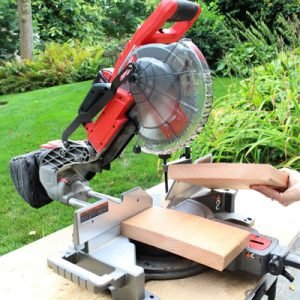
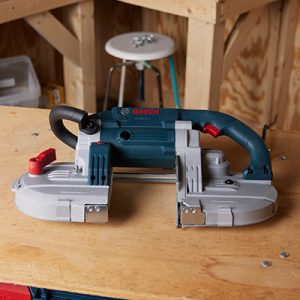
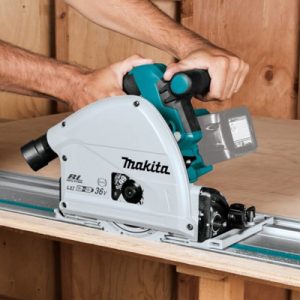
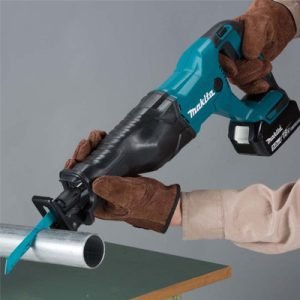
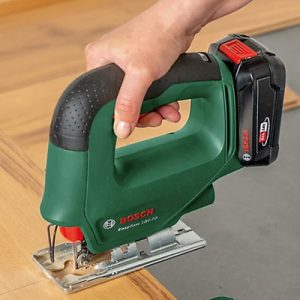
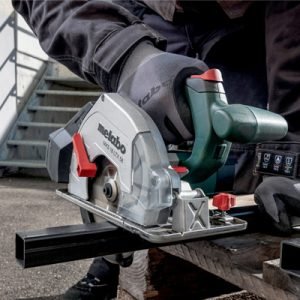


Choosing the right cordless electric saw is less about finding the most powerful model and more about matching the saw type, cutting requirements, battery platform, ergonomics and intended materials to the work you actually plan to do. For buyers in France, the choice can range from compact cordless saws for occasional DIY projects to professional-grade machines designed for repeated cutting on construction sites and in workshops.
A cordless saw can be particularly convenient when mains power is unavailable, when extension cables would restrict movement, or when working outdoors. However, cordless convenience introduces additional considerations that do not apply in exactly the same way to corded tools. Battery voltage, battery capacity, motor efficiency, charging time, blade compatibility and the availability of replacement batteries can all affect the overall usefulness of a tool.
Brands such as Bosch, Makita, DeWalt, Milwaukee, Ryobi, Einhell, Festool and BLACK+DECKER offer cordless saws across different user categories. The best choice depends on the application rather than the brand name alone, so specifications should always be compared carefully before purchase.
The phrase “cordless electric saw” covers several very different tools. A compact reciprocating saw, a cordless circular saw and a cordless jigsaw can all cut material, but they are designed for different jobs. Identifying the correct saw category should therefore come before comparing motor specifications or battery sizes.
A cordless circular saw is generally the stronger choice when you need relatively straight, fast cuts through sheet material, timber, boards or other compatible materials. The blade rotates around a fixed axis and the saw is guided through the workpiece, making this format particularly useful for construction, carpentry, renovation and general woodworking.
When comparing cordless circular saws, pay close attention to maximum cutting depth at different bevel settings, blade diameter, bevel adjustment, base-plate construction, spindle-lock design, visibility of the cutting line and the method used to adjust cutting depth.
A jigsaw is better suited to curved cuts, internal cut-outs, detailed shapes and applications where manoeuvrability is more important than maximum cutting depth. It can be useful for laminate, plywood, timber, plastics and other compatible materials when the correct blade is selected.
Important specifications include variable speed, orbital action, stroke rate, stroke length, blade-changing mechanism, bevel adjustment and the quality of the base plate. A tool with a useful speed range can be easier to control when moving between different materials.
Reciprocating saws are designed for aggressive cutting rather than producing exceptionally clean, furniture-quality edges. They are useful for demolition, renovation, pruning with an appropriate blade, cutting timber and other applications where access and speed matter.
The ability to fit different blade types is a major advantage. Before buying, check the blade-changing system, stroke length, variable-speed control, vibration management and whether the tool is comfortable to operate in restricted positions.
For garden maintenance, a compact cordless pruning saw can be more practical than a full-size reciprocating or circular saw. These tools are intended for smaller branches and similar garden tasks, subject to the manufacturer's specified material and diameter limits.
For outdoor use, balance, hand position, guard design and the ability to control the cutting action can matter more than headline motor power.
Battery voltage is one of the most visible specifications on a cordless saw, but it should not be treated as a standalone measure of cutting performance. Different manufacturers design their motors, electronics, gearing and battery systems differently, so two tools with similar nominal voltage can behave differently in practical use.
Common cordless platforms include lower-voltage compact systems and higher-voltage platforms aimed at more demanding applications. For occasional DIY work, a compact battery platform may offer easier handling. For heavier cutting, a higher-performance platform can make more sense if its additional weight and battery cost are acceptable.
Amp-hour capacity indicates how much electrical charge a battery can store under its rated conditions. A higher Ah battery will generally provide greater potential runtime, although actual runtime depends on the motor load, material, blade condition, cutting technique and electronic management of the tool.
For occasional work, a smaller battery may make the saw noticeably lighter. For repeated cutting sessions, a higher-capacity battery can reduce interruptions for charging. Buyers should compare the complete battery-and-tool combination rather than evaluating the saw body separately.
Brushless motors have become increasingly common in cordless power tools. They eliminate conventional carbon brushes and use electronic motor control. Depending on the tool design, this can contribute to efficiency, durability and improved control.
A brushless motor does not automatically make one saw better than every brushed alternative. The complete engineering package still matters, including gearing, electronics, battery system, cooling, blade design, ergonomics and intended workload.
Maximum cutting depth should be checked against the actual material you intend to cut. On circular saws, manufacturers commonly specify cutting capacity at 90 degrees and at a bevel angle such as 45 degrees. Bevel cutting normally reduces the maximum depth.
Do not select a saw simply because its maximum capacity exceeds your requirements by a large margin. A larger tool may also be heavier and less convenient for smaller tasks.
The blade determines a significant part of a saw's cutting behaviour. For circular saws, verify the required blade diameter and bore size before buying replacement blades. For jigsaws and reciprocating saws, compatibility is determined by the blade fitting and the material-specific blade design.
Timber, laminate, metal, plastic and composite materials can require different tooth configurations and cutting speeds. Using the wrong blade can reduce cutting quality, increase heat generation and place unnecessary load on the tool.
Variable-speed control can be valuable when cutting different materials. Higher speed is not universally better. Some materials and cutting situations benefit from slower, more controlled operation, while other applications require a faster cutting action.
On a jigsaw or reciprocating saw, speed control can also help the user start a cut more precisely before increasing the cutting rate.
If your projects involve angled cuts, examine the bevel mechanism carefully. A good adjustment system should allow the desired angle to be selected securely and repeated consistently. Useful features can include clearly marked angle scales, positive stops and a stable base plate.
One of the most important purchasing decisions is whether the saw should use a battery platform you already own. Cordless power-tool ecosystems can allow multiple compatible tools to share batteries and chargers, potentially reducing the need to purchase a separate battery and charger for every machine.
If you already use tools from Bosch, Makita, DeWalt, Milwaukee, Ryobi or Einhell, checking the exact battery family can be more important than choosing a tool solely because it carries the same brand name. Compatibility should always be confirmed at the specific product-family level because batteries are not necessarily interchangeable across every product made by the same manufacturer.
For a new cordless-tool user, the decision is broader: consider which other tools you may realistically purchase in the future. A battery ecosystem containing drills, impact drivers, lights, sanders, garden tools or other equipment can provide greater long-term value if the compatible range suits your needs.
Battery runtime cannot be accurately predicted from Ah capacity alone. Cutting dense timber places a different load on a motor than making occasional cuts in thin sheet material. A blunt or unsuitable blade can also increase resistance and reduce effective runtime.
Runtime is influenced by:
For demanding work, owning two compatible batteries can be more useful than relying on one very large battery. This allows one battery to power the tool while another is charging, provided the charger and battery system support the intended workflow.
A saw that looks impressive on a specification sheet may become frustrating if it is too heavy or awkward for the way you work. Consider the total weight with the battery installed rather than the bare tool weight alone.
Pay attention to handle shape, trigger placement, grip texture, balance around the cutting area and how easily the tool can be repositioned. For overhead work or extended cutting, a lighter and better-balanced tool may be preferable to a substantially more powerful machine.
For circular saws, examine whether the main handle and auxiliary handle provide stable two-handed control. For reciprocating saws, consider whether multiple hand positions are practical. For jigsaws, look for a comfortable grip that permits precise control of the cutting line.
Power saws require careful operation regardless of whether they are corded or cordless. The absence of a power cable does not eliminate risks associated with rotating or reciprocating blades, kickback, flying debris, dust, noise or accidental contact.
Depending on the saw type, useful design features can include an effective blade guard, electric brake, lock-off mechanism, overload protection, electronic speed management, LED illumination and a secure blade-changing system.
A safety feature should be evaluated in the context of the whole tool. Users should also follow the manufacturer's instructions, use suitable personal protective equipment, secure the workpiece properly and keep hands away from the cutting path.
Kickback is an important consideration when using a circular saw. It can occur when the blade binds, becomes pinched or encounters conditions that cause the saw to move unexpectedly. Correct blade selection, appropriate cutting technique, adequate support of the workpiece and following the manufacturer's operating instructions are essential.
Never rely on an electronic safety feature as a substitute for correct technique. Read the tool's instructions before its first use and understand how the blade guard and safety mechanisms are intended to operate.
Dust management is particularly relevant when cutting timber, MDF, chipboard and similar materials indoors. Fine dust can reduce visibility around the cutting line and create an unpleasant working environment.
Some cordless saws include dust extraction connections or other dust-management provisions. If you regularly work in a workshop or inside a finished room, check whether the tool can be connected to a compatible extraction system and whether the connection fits your existing equipment.
Dust extraction does not eliminate the need for appropriate respiratory and eye protection where required. The material being cut and the manufacturer's safety instructions should determine the precautions used.
The saw is only part of the cutting system. The blade can have a major effect on speed, finish, noise, heat and battery consumption.
For wood, blades with different tooth counts can be selected according to whether the priority is faster rough cutting or a cleaner finish. Fine-tooth blades can be appropriate for applications where edge quality matters, while coarser configurations can favour rapid material removal.
For metal, use a blade specifically designed for the relevant metal and thickness. The correct cutting speed and lubrication requirements, where specified, should also be followed.
When cutting laminate or finished boards, a blade intended to minimise chipping can be preferable to a general-purpose blade. Always verify that the blade is approved for the material and saw you are using.
The main advantage of a cordless saw is mobility. You can work away from a mains outlet without managing an extension cable, which can be especially useful for outdoor projects, construction work and unfinished buildings.
A corded saw, however, does not depend on battery capacity and can be convenient for prolonged workshop use where mains electricity is readily available. For stationary or repeated cutting, avoiding battery changes may be an advantage.
The right decision depends on your working environment. Buyers who already own compatible cordless batteries may find the cordless option particularly convenient, while users who perform long uninterrupted cutting sessions may prefer a corded machine for certain applications.
Brand comparison can be useful, but it should not replace specification-level research. Each manufacturer has multiple tool families aimed at different users, and the most suitable model may not be the most expensive one.
Bosch offers cordless tools across consumer and professional-oriented ranges. Buyers should pay attention to the specific battery platform, because compatibility and intended workload vary between product families.
Makita has a broad cordless ecosystem covering woodworking, construction and other professional applications. When comparing Makita models, look at the battery family, blade capacity, ergonomics and intended duty cycle rather than assuming that every model offers the same level of performance.
DeWalt is widely associated with professional power tools and cordless construction equipment. Its saws can be worth considering for users who already operate within the corresponding battery ecosystem and need equipment for demanding work.
Milwaukee offers cordless tools across several performance categories. For buyers considering its saws, battery compatibility, tool weight, cutting capacity and electronic features should be evaluated against the intended application.
Ryobi is particularly relevant to users who want one cordless battery platform covering a broad selection of home-improvement and garden tools. Its ecosystem approach can be useful for DIY users who expect to add several compatible machines over time.
Einhell provides a wide cordless ecosystem and can be relevant to DIY users looking for a shared battery approach across workshop and garden equipment. Compare the exact tool and battery configuration rather than evaluating the brand at a general level.
Festool focuses heavily on professional woodworking and system-oriented tools. Its cordless saws can be particularly relevant when precision, dust management and integration with a wider professional workflow are priorities.
BLACK+DECKER has a strong presence in consumer-oriented DIY tools. Buyers should compare cutting capacity, battery platform, ergonomics and included accessories against competing options rather than selecting purely on brand familiarity.
Higher nominal voltage does not automatically mean a better saw for every user. Tool architecture, battery technology, motor efficiency and cutting system all influence practical performance.
A tool-only package can appear attractive until the cost of a compatible battery and charger is considered. Always compare the complete setup required for immediate use.
Oversized equipment can add weight and cost without providing meaningful benefits for smaller projects. Select capacity based on the thickest and most demanding material you realistically expect to cut.
Blades are consumable components. A saw that uses specialised or less readily available blades may have different long-term running costs from a model using widely available accessories.
Even excellent specifications cannot compensate for a tool that is uncomfortable to hold. Weight with the battery installed, grip design and balance should be part of the buying decision.
Different materials require different blade designs. A general-purpose blade can be convenient, but specialised blades may produce better results for particular applications.
Consider where the saw will be used. Indoor renovation work, outdoor construction, garden maintenance and workshop cutting can impose very different requirements for dust management, portability, runtime and noise.
Before purchasing, verify the complete product specification rather than relying solely on a product title or a marketplace description. Specifications can differ substantially between apparently similar models.
When two models appear similar, create a simple specification comparison instead of relying on appearance or marketing language. Start with the work you need the saw to perform and eliminate any model that lacks the required cutting capacity or blade compatibility.
Next, compare total ownership requirements. If one tool requires a new battery ecosystem while another can use batteries you already own, that difference can materially affect the overall purchase decision.
Then compare ergonomics and practical features. Cutting depth, motor technology and speed specifications are useful, but a comfortable tool with accessible controls and good visibility may be easier to use accurately.
Finally, check current retailer information, customer feedback and the manufacturer's latest specifications before making a purchase. Product configurations can change, so the exact model number should always be verified.
Routine maintenance can help preserve cutting performance and reduce avoidable wear. Follow the manufacturer's maintenance instructions for the specific model, especially for battery care and internal components.
Cut quality depends on more than the saw itself. Secure the workpiece before cutting and mark the cutting line clearly. Select a blade suitable for the material and desired finish, then allow the saw to progress at an appropriate rate rather than forcing it through the workpiece.
For circular saws, stable support is particularly important because poorly supported boards can pinch the blade as the cut progresses. For jigsaws, selecting an appropriate blade and avoiding excessive sideways pressure can improve control around curves. For reciprocating saws, stabilising the workpiece and selecting the correct blade can make rough cutting considerably easier to control.
Precision and finish are likely to matter more than maximum demolition performance. A jigsaw may be appropriate for curves and cut-outs, while a circular saw can be better for straight cuts through panels. Blade selection should reflect the desired edge quality.
A versatile cordless system can be valuable because renovation projects often involve several materials and cutting situations. Consider whether the saw can handle the required timber, boards or other materials and whether additional blades are readily available.
Frequent professional use places greater emphasis on durability, battery management, ergonomics, cutting capacity and sustained performance. A professional battery ecosystem may be more appropriate when multiple cordless tools are already part of the workflow.
A compact pruning-oriented saw may be more practical for branches and garden maintenance than a large construction saw. Weight, grip, safety controls and compatibility with the relevant pruning blades should receive particular attention.
A compact saw with a manageable battery platform can be sufficient when the tool is only used periodically. Avoid paying for professional-level capacity unless your projects genuinely require it.
Cordless power tools are often sold in more than one configuration. A bare-tool package normally means that the saw is supplied without the battery and charger, although the exact contents should always be confirmed in the listing.
A complete kit may include one or more batteries, a charger and accessories. For someone already invested in a compatible battery platform, the bare-tool option may be more economical. For a new user, a complete kit can be more convenient because the tool can be used immediately after the battery has been charged.
Choose based on the cut rather than the general category of “electric saw.” Circular saws favour straight cuts and higher material capacity, jigsaws favour curves and detailed shapes, and reciprocating saws favour rapid, accessible and often rough cutting.
For frequent use, brushless technology can be attractive because of its motor design and potential efficiency advantages. For occasional DIY work, the overall tool specification and price-to-use relationship should still determine the decision.
There is no universal Ah requirement. Smaller batteries can reduce weight, while larger batteries can provide greater potential runtime. Match capacity to workload and consider whether carrying an additional battery is more practical than using one large battery.
Not necessarily. Excess capacity can mean additional weight and expense. The best saw is the one that comfortably handles your intended materials while remaining manageable for the way you work.
No. Voltage is only one part of the system. Motor design, electronics, gearing, battery technology, blade selection and tool architecture all affect performance.
No. A saw and blade must be appropriate for the material. Always verify the manufacturer's permitted applications and select a compatible blade designed for the specific material.
Before choosing among the best cordless electric saw options available in France, use the following checklist to narrow the selection:
There is no single best cordless electric saw for every buyer. The right option depends on whether you need a circular saw, jigsaw, reciprocating saw or compact pruning saw, as well as the materials, cutting depth, frequency of use and battery platform involved.
Many professional cordless systems are designed for demanding applications, but suitability depends on the exact model and workload. Professional buyers should compare cutting capacity, sustained performance, battery options, ergonomics and manufacturer specifications.
If you do not already own compatible batteries, a kit containing a battery and charger can be convenient. If you already have compatible batteries, a bare-tool configuration may avoid unnecessary duplication.
Runtime varies according to battery capacity, material, cutting thickness, blade condition, motor load and user technique. Manufacturer runtime figures, where supplied, should be interpreted according to their stated testing conditions.
Occasional DIY users often benefit from balancing runtime against weight. A smaller battery may be easier to handle for short jobs, while a larger battery can be useful for extended cutting. The ideal capacity depends on the saw and the work involved.
Brushless saws can offer advantages associated with electronic motor control and the absence of conventional brushes, but the best choice still depends on the complete specification, intended workload, ergonomics and total cost.
No. Blade diameter, bore size, speed rating and application compatibility must all be checked. Use blades that meet the requirements specified by the saw manufacturer and blade manufacturer.
Check the exact model number, included accessories, battery configuration, cutting capacity, blade compatibility, weight, manufacturer specifications and current customer feedback. Do not assume that similarly named packages contain the same accessories.
There is no universal replacement interval. Replace a blade when it is damaged, excessively worn or no longer cuts appropriately despite correct use. The material being cut and the frequency of use have a major influence on blade life.
A useful buying guide should not rank cordless saws solely by headline power, brand recognition or promotional claims. A meaningful comparison considers the intended application, cutting capability, battery ecosystem, ergonomics, blade compatibility, safety features, maintenance requirements and overall practicality.
For the French market, buyers should also verify the current product configuration and retailer information before ordering because packages, accessories and availability can change over time. The exact model number is the most reliable starting point for comparing specifications across different retailers.
Whether your priority is woodworking precision, renovation versatility, construction performance, garden maintenance or occasional DIY work, the strongest purchase decision is the one that matches the tool to the task rather than simply selecting the highest specification available.